From the First Viewing Session to Repeat Engagement: Creating a Branded OTT Service for Its Audience
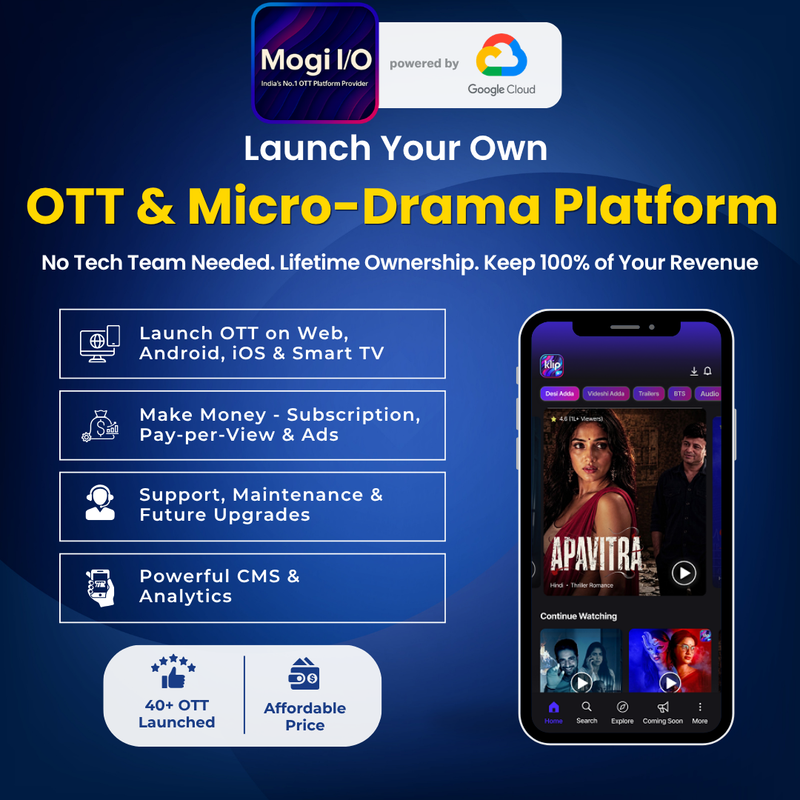
The content catalogue is often the first measure of a streaming service, although the viewer's experience extends well beyond the content. They encounter a sign-up process, browse categories, choose something to watch, wait for playback and decide whether to return. Each interaction may build their interest or discourage them from continuing. For businesses developing a branded streaming service, designing the entire viewing journey matters just as much as choosing the technology behind it.
White label technology can supply an established foundation for delivering content under an organisation’s own identity. Nevertheless, access to streaming software alone does not guarantee a practical service. The main challenge involves aligning platform functionality with viewer expectations, content management requirements and budget limitations. A sensible strategy considers what viewers need first, then determines the infrastructure necessary to deliver that experience.
Define the Viewing Need Before Choosing Features
Before evaluating software options, determine what would motivate viewers to use the planned service. An educational audience might want structured lessons that are easy to resume. Regional entertainment viewers may prioritise recognised languages and a carefully organised content selection. People watching a live competition may place the greatest importance on reliable viewing at the scheduled time.
These differences influence nearly every product decision. An educational library designed for searching requires a different structure from a live-event timetable. Viewers browsing short episodes on mobile devices have different needs from those selecting extended documentary programmes. Features should respond to these needs rather than accumulate because competing services happen to offer them.
A useful starting point is to describe one typical viewing session. Think about why someone arrives at the platform, which content they hope to discover and what would make the experience valuable. This gives the business a concrete basis for evaluating a video platform and deciding which capabilities belong in the first release.
Recognise the Difference Between Video Hosting and OTT
When organisations raise the question, “What is an OTT platform?”, they generally want to distinguish a fully developed streaming service from basic video publishing. The term OTT describes over-the-top distribution: content is delivered to audiences over the internet instead of conventional cable or satellite networks.
A video hosting service establishes the basic storage and content-delivery framework. Some providers also offer video processing, embeddable players and content administration tools. A broader OTT platform brings video delivery together with functions such as audience accounts, catalogue discovery, viewing permissions, branded applications and payment arrangements.
Understanding this difference is important because organisations have varying infrastructure requirements. A company sharing training videos occasionally may not require a separate entertainment-focused app. A business selling access to video content may need a considerably more developed customer journey. Selecting the appropriate approach begins by examining how the content, audience and provider are expected to interact.
Make the First Viewing Session Easy to Complete
A new viewer should understand the service before investing significant effort in it. Well-written content summaries, organised categories and transparent access instructions help explain what viewers can expect. Unclear navigation labels or poorly explained payment terms may disrupt the experience before any video starts.
Evaluate the amount of information genuinely necessary during registration. Every additional step should have a purpose. If viewers must register, they should understand why an account is needed and what follows registration. Payment-based viewing should present the offer clearly, including the access period and applicable limitations.
The initial viewing experience should also provide an obvious next step. A new subscriber who reaches an empty-looking home screen or an unfamiliar catalogue may struggle to choose. Relevant editorial recommendations, clearly identified categories and precise descriptions can improve content discovery. Such improvements depend on content planning and interface design as well as technology, and they deserve attention before the service opens to a wider audience.
Test Playback Under Ordinary Conditions
A smooth presentation using high-speed internet shows only one aspect of actual playback. Viewers might use ageing smartphones, internet connections shared with family members or devices with restricted processing power. Testing procedures should account for the real-world environments in which the audience is expected to watch.
Adaptive bitrate streaming may deliver varying quality levels when network conditions fluctuate, although the feature itself cannot guarantee acceptable playback performance. The evaluation should consider playback startup speed, buffering interruptions and the suitability of image quality for each type of material. An educational presentation featuring small written details may demand greater visual clarity than a straightforward video of someone speaking.
Real-time viewing requires additional preparation because technical issues may affect viewers immediately. Rehearsals should include the production feed, access controls and viewer playback. Checking the full content-delivery process helps uncover problems that may not appear when separate systems are tested independently.
Build a Catalogue People Can Understand
Content organisation becomes harder as a library grows. Smaller video collections can often be arranged using simple categories, but expanding services require consistent naming, descriptive information, language identification and clear links between programmes or lessons.
Content management becomes more straightforward when editorial standards are established early. Determine naming and description conventions for programme series, seasons, episodes and standalone recordings. Identify the people responsible for checking cover artwork, caption information and publishing dates. Inconsistent content details may make worthwhile programmes harder to locate even if the platform's search tools operate properly.
A well-organised online video application should support viewers returning to unfinished content. Relevant functions could involve remembering viewing progress, saving chosen content or displaying episodes in a logical order. Maintaining viewing continuity is the main objective: someone returning after several days should be able to recognise their place and choose Video platform the next useful item without reconstructing their previous session.
Align Viewing Payment Options with the Value of the Catalogue
Some content providers benefit from recurring subscriptions, but this approach may not fit every new service. A library that receives regular additions may justify a continuing membership arrangement. A specialised event might be better presented as a one-time purchase. Learning content could be offered as a specific course collection instead of providing unlimited access to the whole library.
Including advertisements creates a different group of commercial choices. The business must consider whether interruptions fit the viewing experience and whether its operational arrangements support the proposed model. Offering advertising alongside paid viewing may confuse users if the distinctions between packages are not explained.
A white label SaaS product should be assessed against the intended commercial structure before selection. Confirm whether the required purchase types, access periods and account permissions are supported. It is also important to establish procedures for unsuccessful transactions, subscription cancellations and refunds. These common operational matters shape viewer trust and support requirements, although the first payment experience may receive greater planning attention.
Translate Platform Pricing into Real Viewing Costs
The subscription fee represents just one element of the total operating cost. Costs for content storage, video conversion, streaming traffic, application support and other functions may either be bundled into allowances or billed individually. Comparing headline prices without examining those boundaries can produce misleading conclusions.
Build a few realistic operating scenarios. One might involve a small catalogue with modest viewing. Another could assume longer sessions or a significant increase in simultaneous viewers. A live event may create a concentrated delivery requirement that differs substantially from steady on-demand use.
The purpose is to recognise which usage patterns make expenditure increase or decrease. Determine how consumption is calculated, which functions incur fees and how additional usage is billed. A free OTT platform or entry-level package may help with experimentation, but its suitability depends on the actual requirements. A financially practical plan considers projected audience activity alongside every operating expense instead of focusing exclusively on software subscriptions.
Separate Visual Branding from Platform Management Control
Changing the logo and colour scheme can establish a distinctive visual identity, but branding flexibility does not necessarily provide control over every part of the service. Organisations need to identify the interfaces, functions and processes they can customise and those governed by the vendor's existing software.
Application ownership and publishing arrangements also deserve attention. Determine who controls software releases, what process is used to request updates and how device-specific faults will be addressed. A white label service becomes easier to manage when the responsibilities of each party are clearly defined.
Audience data requires the same level of consideration. Assess access to audience information, the ability to export relevant data and the compatibility of integrations with daily business operations. Such checks reveal whether the platform merely presents an independent brand or also provides the tools necessary for routine business management. Visual presentation and operational authority are both important, although each requires its own assessment.
Plan Content Access Around Actual Rights
A streaming business needs clarity about what it is permitted to distribute. Licensing conditions may depend on location, viewing timeframes, device classifications and the commercial purpose of distribution. The streaming system should be able to enforce the distribution conditions associated with its catalogue.
User authentication, access authorisation and video protection are connected functions with separate purposes. A signed-in account does not necessarily establish permission to watch every title. Similarly, making a payment might authorise viewing for a limited duration. The viewing interface should communicate and apply these differences consistently.
Businesses should maintain realistic assumptions about what content protection can achieve. Security controls can regulate viewing and limit some types of misuse, yet an individual tool cannot entirely prevent unauthorised duplication. The practical objective is to align available controls with content obligations while keeping legitimate viewing reasonably straightforward. Excessive friction can undermine the experience the business is trying to provide.
Consider Major Streaming Platforms Without Copying Their Entire Approach
A focused service may offer value through selection, specialist knowledge or access to material that is difficult to find elsewhere. Its advantage might be a well-organised professional library, carefully sequenced learning content or programming for a particular language community. The platform should be designed around such distinctive qualities.
Replicating familiar functions without considering why they exist may make the platform unnecessarily complicated. A content recommendation feature offers less value when fundamental catalogue organisation is unclear. Developing apps for more devices may offer limited advantages when most viewers use smartphones. Established platforms can help teams recognise familiar viewing patterns, but the launch scope should follow the proposed audience and available operational resources.
Launch with a Manageable Service and Clear Responsibilities
A controlled launch allows the business to observe real behaviour while the service remains manageable. The initial version should provide an end-to-end viewing experience despite offering a smaller library or supporting fewer devices. Audiences must still be able to recognise what the service provides, watch the available programmes and obtain suitable assistance if problems arise.
Identify who is responsible for content publication, payment problems, streaming diagnostics and software updates. Define how the business will distinguish an isolated device problem from a wider delivery failure. Such responsibilities help avoid uncertainty when technical difficulties require cooperation between content operations and the technology provider.
Meaningful performance metrics should support specific operational choices. Repeated playback failures suggest a different problem from viewers abandoning registration or finishing one programme without returning. Examining such trends helps identify whether the priority should be technical reliability, a more understandable offer or a stronger video library. Growth becomes easier to manage when each expansion responds to an observed need.
Conclusion
A branded OTT service succeeds through the combined quality of its content, viewing experience and daily operation. A white label SaaS solution can supply the underlying platform, yet businesses remain responsible for understanding audience requirements, managing the catalogue, planning expenditure and allocating duties. Designing the service around a full viewing experience makes planning decisions clearer and more actionable. Start with a service people can understand and use reliably, then expand as actual viewing behaviour reveals where further investment will create value.